

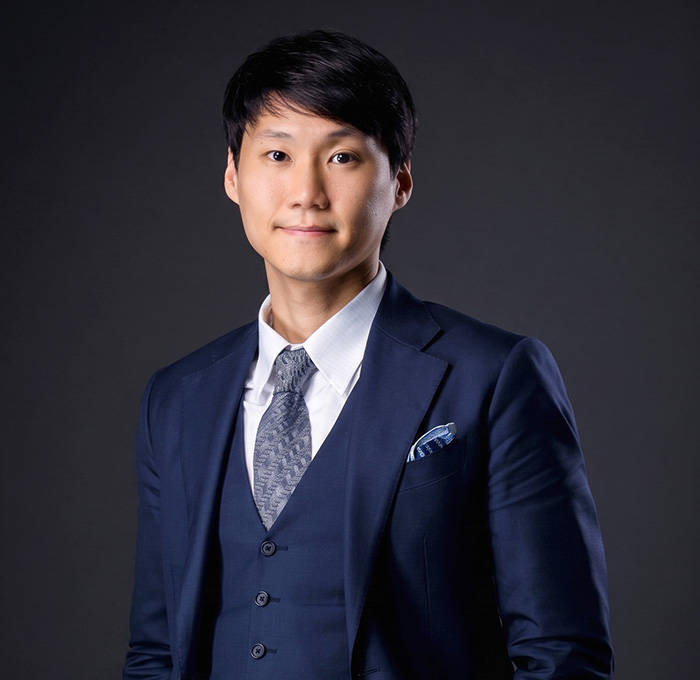
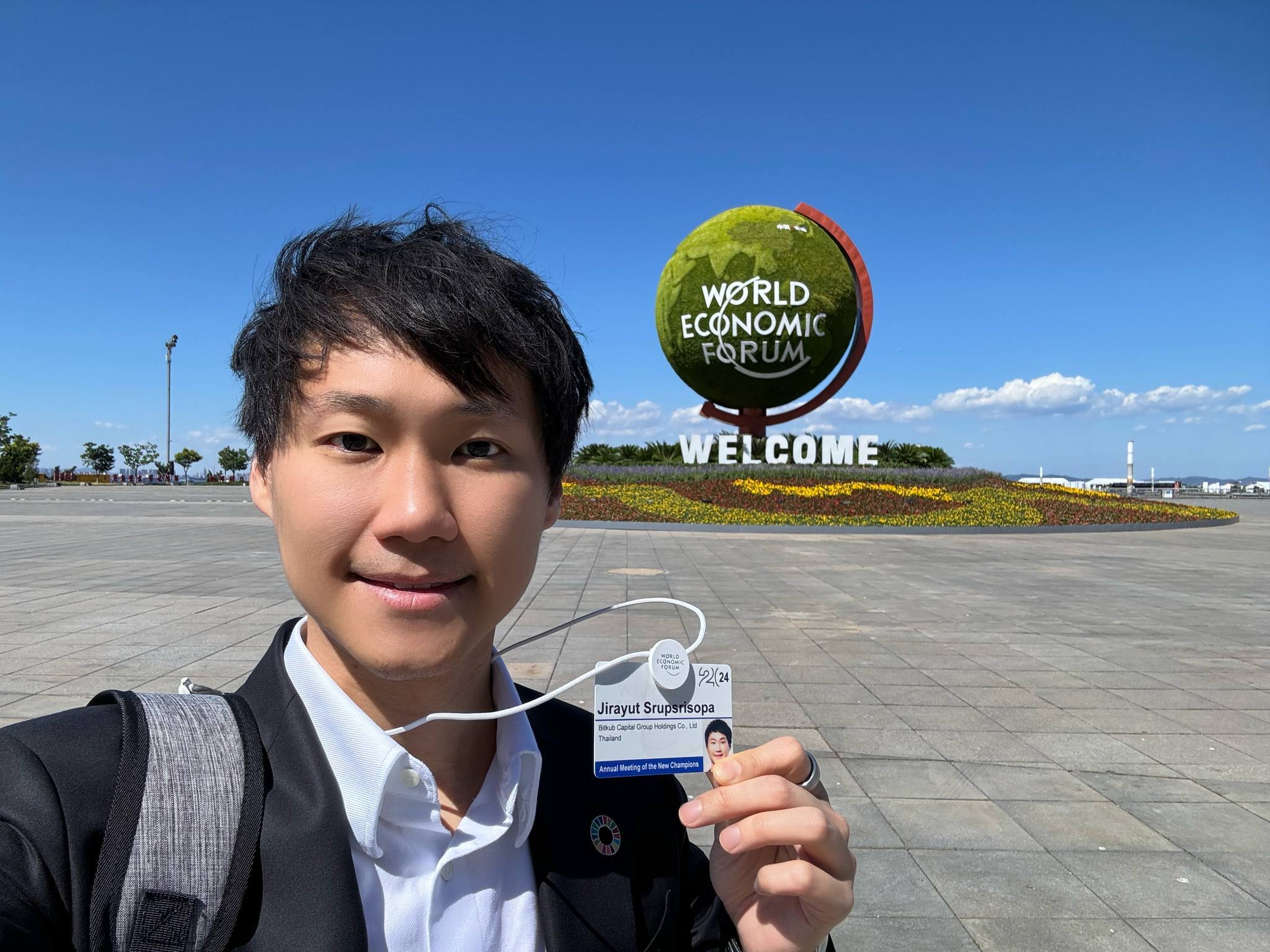
I believe that over the past few years, Thai people have become familiar with the World Economic Forum, the Annual Meeting held in late January in Davos, Switzerland. From now on, I'd like everyone to also remember that at the end of June each year, another equally important conference takes place in China, a leader of the Eastern world: the World Economic Forum Annual Meeting of the New Champions. It's a gathering where a new generation of leaders from around the world come together to exchange ideas and set the direction for the economy and other crucial matters that will impact the global community.
This year, I was once again invited to attend the World Economic Forum: 15th Annual Meeting of the New Champions, or Summer Davos 2024, which took place from June 25th to 27th in Dalian, People's Republic of China. Dalian is home to the largest port in Northeast China and is one of the most economically advanced cities in the region. The Summer Davos event in China is unique in that the host city alternates each year between Dalian and Tianjin. This year's event in Dalian was attended by over 1,500 global leaders under the theme, "Next Frontiers for Growth”
Science and Technology are the Keys to Driving the Economy
The event emphasised that innovation is a crucial engine for the global economy. However, we have now fully developed and utilised the technologies of the previous era. We can no longer create additional value from those technologies because the market has become a "Red Ocean," where competition has reached a point of price-cutting wars. For the world to move forward, we must develop new technologies that will become the next frontiers for global growth, such as AI, Big Data, 3D Printing, IoT, AR, VR, and Blockchain.
In addition to attending, I was honoured to represent Thai business leaders in a meeting with Professor Klaus Schwab, the Founder and Executive Chairman of the World Economic Forum. We discussed and exchanged ideas on the development of digital assets in Thailand and ASEAN, the future of capital markets, finance, and Tokenisation. It was a special opportunity to meet and exchange views privately with a key figure who is a major think tank in driving international economic cooperation.
At this year's Summer Davos, I had the opportunity to exchange ideas on three different panels:
1. Transforming Talent: A Blueprint for Reskilling and Job Creation: This session focused on preparing human resources for new professional skills that are being shaped by three main factors: Geo-economics, Technological Advancement, and Green Transition.
2. Decoding E-Commerce Payments: We worked on finding solutions to various payment challenges, such as fraud and money laundering prevention, country-specific regulations, and collaboration, to ensure all parties can comply with rules effectively. This aims to create "Collective Action," a united front between the private, public, and government sectors to establish industry standards.
3. Unlocking the Full Potential for ASEAN’s Digital Economy: This discussion focused on preparing for the ASEAN Digital Economy Framework Agreement (DEFA), the world's first digital economy framework agreement currently under negotiation among member countries. If this framework is successfully implemented, ASEAN's digital economy is projected to grow from $300 billion to nearly $1 trillion by 2030, driven by three key areas: Payment Connectivity (Free Flow of Payments), the Asean Single Window (Free Flow of Goods and Services), and Talent Mobility (Free Flow of People).
Regionalisation is Returning as a Major Global Trade Trend
Many are familiar with the term globalisation, but the world is currently shifting back towards Regionalisation. For ASEAN, grouping together will increase our bargaining power on the world stage. If we unite as "One ASEAN Strong," the region will have a population of 600 million people, second only to China and India, and will be the world's fourth-largest economy. This presents both challenges and opportunities for smaller countries. Regional economic and technological integration will be key to building strength, reducing dependence on major countries, and fostering cooperation for progress in an era of rapid social, economic, political, and technological change.
At the same time, it's crucial to maintain a balanced relationship with superpowers like the United States and China, which continue to have a high influence on the global economy.
What is essential is to learn from China's perspective, which emphasises that you must first "Keep the roots healthy". This is done by urgently addressing short-term issues like inflation and household debt. Once the foundation is strong, the next steps consist of four parts: 1) Digital Revolution, as science and technology will be key economic drivers; 2) Green Development, focusing on the net-zero transition and developing environmentally friendly technologies; 3) Open Cooperation, promoting competition and welcoming collaboration both domestically and internationally; and 4) Inclusive Growth, which focuses on developing human resources to keep pace with change, based on the principle of leaving no one behind.
The themes, directions, and new policies and practices driven by this forum will all play a role in impacting the global economy and society. This is why I have always emphasised that the topics discussed at this event are matters that Thai people need to know. We must learn from other nations on how to manage various crises to prepare ourselves for change. For Thailand to grow and improve everyone's quality of life, we all need to move in the same direction. This is an important area where I can help be a voice for, so we can handle new challenges and compete on the world stage with stability and efficiency.
Topp Jirayut Srupsrisopa
Founder and Group CEO, Bitkub Capital Group Holdings Co., Ltd.